בין יבשה לים: סודות המגוון הביולוגי

מסע קצר דרך מערכות אקולוגיות מנוגדות: מהמדבר הצחיח ועד לשונית האלמוגים - תיבת התצוגה בלובי בניין שרמן, הפקולטה למדעי החיים
הטבע אינו אחיד, וכך גם המוצגים בארון זה. כאן ניתן לראות נציגים של עולמות שונים לחלוטין, שכל אחד מהם פיתח סט כלים ייחודי כדי לשגשג בסביבתו. זהו אינו אוסף קישוטי, אלא תיעוד של מציאות ביולוגית מורכבת.
הטקסטים שלפנינו חושפים את המנגנונים הנסתרים המאפשרים חיים בתנאי קיצון: הכליות של הפסמון במדבר המלוח, הסילון של הנאוטילוס במעמקים, או האווירודינמיקה של בז העצים. בזמן קריאת המידע, כדאי לנסות ולהצליב אותו עם המוצג הפיזי. מומלץ לבדוק האם ניתן לזהות בעין את האיברים והתכונות שהופכים את המינים הללו לסיפורי הצלחה אבולוציוניים, ולא רק לסטטיסטיקה של הטבע.
ארון מוצגים - שורה ראשונה (Display Case – First Row)
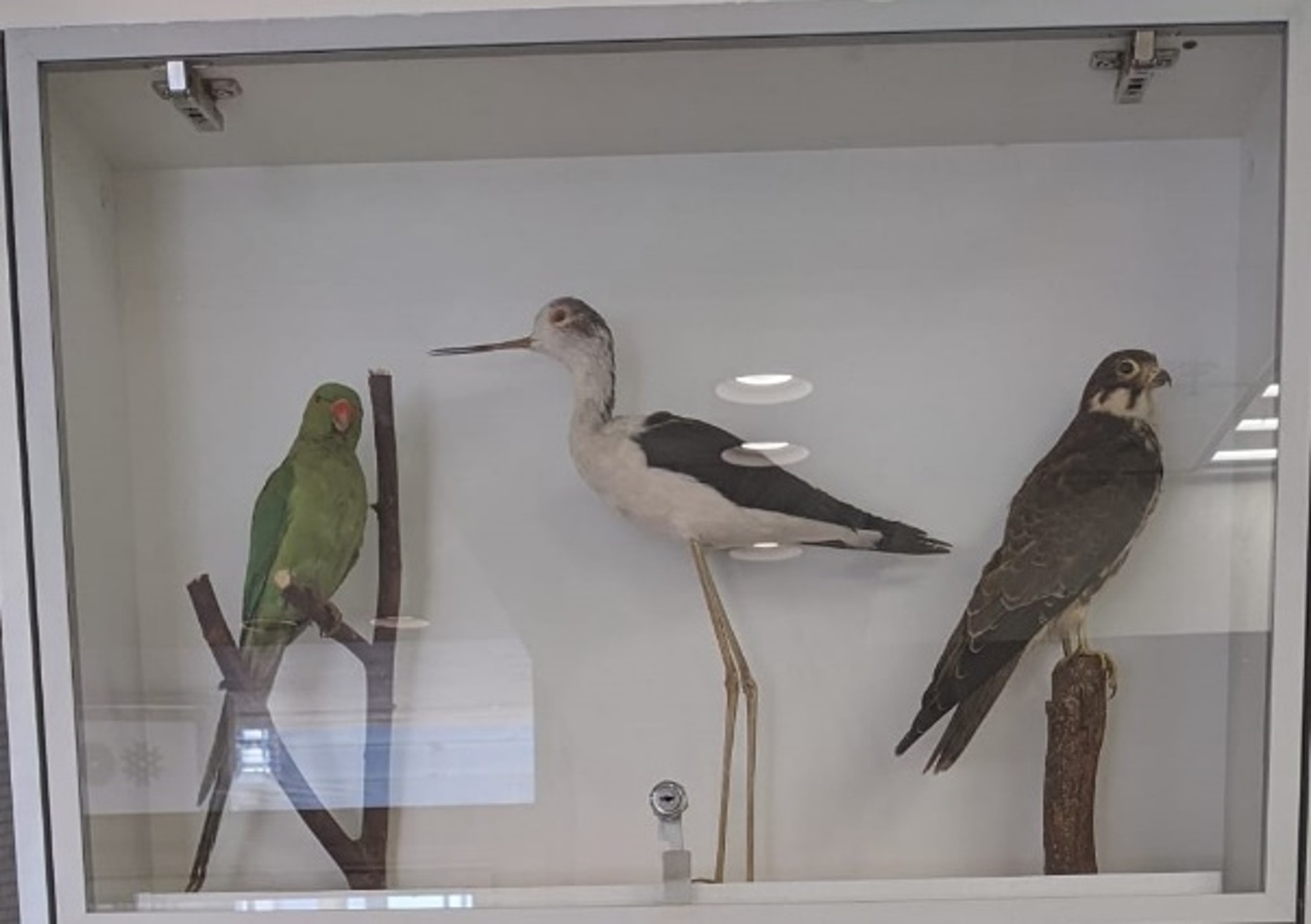
מימין לשמאל (From left to right)
בז עצים
בז העצים ידוע בכישורי הטיסה המרהיבים שלו, שזיכו אותו בכינוי "מטוס הקרב" של עולם הציפורים. הוא אחד הדורסים הבודדים שהם מהירים וזריזים מספיק כדי לצוד שפיריות וסנוניות תוך כדי מעוף, ולאכול אותן בלי לנחות אפילו פעם אחת.
- מבט מקרוב: כדאי לחפש את הנוצות האדמדמות ("חלודה") על הרגליים שלו, שזכו לכינוי המשעשע "מכנסיים".
- שווה לדעת: כדאי לשים לב לסימנים הכהים מתחת לעיניים. הם מתפקדים ממש כמו ה"פסים השחורים" של שחקני פוטבול – הם סופגים את קרינת השמש כדי למנוע סנוור בזמן מרדף במהירות גבוהה.
Falco subbuteo
Known for its aerial skills, the Eurasian Hobby has a reputation as the "fighter jet" of the bird world. It’s one of the few raptors fast and agile enough to catch dragonflies and swallows right out of the air, and eat them without even landing.
- Look closer: The "rusty" red feathers on its legs, often called "trousers."
- Worth knowing: See those dark marks under the eyes? They act like "eye-black" used by athletes to block sun glare during a high-speed chase.
תמירון
אם לעולם הציפורים הייתה תצוגת אופנה, התמירון היה כנראה דוגמן המסלול המוביל. ביחס לגודל גופו, לתמירון יש את הרגליים הארוכות ביותר בעולם הציפורים! ה"קביים" הוורודים והמרשימים הללו מאפשרים לו לדשדש במים עמוקים יותר מחופמאים אחרים, ולהגיע למזון שפשוט אינו נגיש לאחרים.
- מבט מקרוב: כדאי לשים לב למקור הדק כמחט. זהו כלי עבודה מדויק שנועד לשלוף חרקים וסרטנים זעירים מהמים בדיוק כירורגי.
- שווה לדעת: למרות המראה העדין, התמירונים הם הורים אמיצים במיוחד. כדי להגן על הקן, הם עשויים להעמיד פני פצועים ולגרור כנף על הקרקע – "הצגת" פציעה שנועדה למשוך טורפים הרחק מהגוזלים.
Himantopus himantopus
If the bird world had a high-fashion runway, the Black-winged Stilt would be its top model. It has the longest legs in proportion to its body size of any bird in the world! These striking pink "stilts" allow it to wade into deeper water than other shorebirds, reaching food that others simply can't get to.
- Look closer: Note the needle-thin beak. It’s a precision tool used to "sculpt" the water and pick up tiny aquatic insects and crustaceans with surgical accuracy.
- Worth knowing: Despite their delicate look, these birds are fierce protectors. If a predator gets too close to their nest, they perform a "broken-wing act," faking an injury to lure the threat away from their chicks.
דררה מצויה
הדררה היא מופת של כושר הסתגלות. למרות שמקורן באקלים הטרופי של דרום אסיה ואפריקה, הציפורים הללו הצליחו להתבסס במגוון רחב של מערכות אקולוגיות ברחבי העולם. האינטליגנציה הגבוהה והמבנה החברתי שלהן אפשרו להן לשגשג בישראל – מפארקים עירוניים ועד לשטחים חקלאיים.
- מבט מקרוב: כדאי לשים לב למקור המעוקל והחזק. הוא מתפקד ככלי רב-תכליתי: המקור משמש כ"רגל שלישית" המסייעת בטיפוס על ענפים, והוא בעל עוצמה מספקת לפיצוח הזרעים והגלעינים הקשים ביותר.
- שווה לדעת: ה"טבעת" המופיעה בשמה האנגלי (Rose-ringed) היא סימן זיהוי מגדרי המופיע רק אצל זכרים בוגרים. היעדר טבעת סביב הצוואר מעיד על כך שמדובר בנקבה או בדררה בשלב הצעיר של חייה.
Psittacula krameri
The Rose-ringed Parakeet is a master of adaptation. Originally from the tropical climates of South Asia and Africa, these birds have successfully established themselves in ecosystems worldwide. Their high intelligence and social nature have allowed them to thrive in Israel's urban parks and agricultural areas alike.
- Look closer: Note the powerful, hooked beak. It functions as a specialized multi-tool: it acts as a "third foot" for climbing through canopy branches and provides the leverage needed to crush the toughest seeds and pits.
- Worth knowing: The "rose ring" in their name is actually a gender marker. Only adult males develop the distinct pink-and-black collar. If this specimen lacks the ring, it is likely a female or a juvenile.
מוצגי פרוקי-רגליים (Arthropods Exhibit)
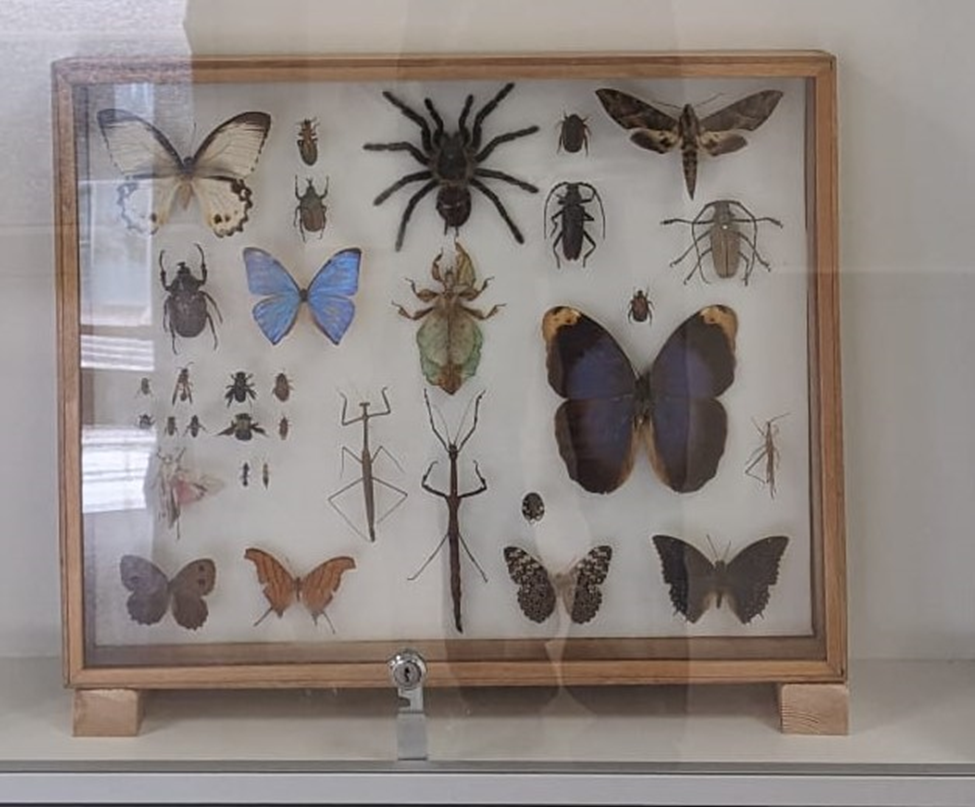
פרוקי-רגליים
פרוקי-הרגליים הם המומחים הגדולים ביותר להישרדות בטבע. הם מהווים למעלה מ-80% מכלל מיני בעלי החיים המוכרים על פני כדור הארץ! הסוד שלהם? "חליפת שריון" ביולוגית (שלד חיצוני) ורגליים בעלות פרקים, המאפשרים להם לאכלס כמעט כל פינה בכדור הארץ – מהאוקיינוסים העמוקים ועד לפסגות ההרים.
- מבט מקרוב: כדאי לבחון את המגוון המדהים של הגפיים. חלקן משמשות לריצה מהירה, בעוד שאחרות הפכו לצבתות חזקות, למשוטי שחייה, או לאיברי חישה עדינים המסוגלים לקלוט כל תנודה בסביבה.
- שווה לדעת: אצל פרוקי-הרגליים, השלד החיצוני אינו גדל עם הגוף. כדי לגדול, הם נאלצים לעבור תהליך מורכב ומסוכן הנקרא התנשלות: השלת השלד הישן והרחבת הגוף במהירות, לפני שהשריון החדש והרך יספיק להתקשות.
Arthropods
Arthropods are nature's ultimate survival specialists, accounting for more than 80% of all known animal species on Earth. Their global success is built on a "biological suit of armor" – the exoskeleton – and specialized jointed limbs that allow them to thrive in nearly every habitat, from the deepest oceans to the highest mountain peaks.
- Look closer: Observe the incredible variety of specialized limbs. Some are designed for lightning-fast running, while others have evolved into powerful pincers, swimming paddles, or even delicate tools for sensing vibrations.
- Worth knowing: An arthropod’s exoskeleton doesn’t grow with its body. To continue growing, it must undergo a risky process called molting: shedding its old shell and rapidly expanding its body before the new, soft armor hardens.
מוצג פסמון (Fat Sand Rat Exhibit)
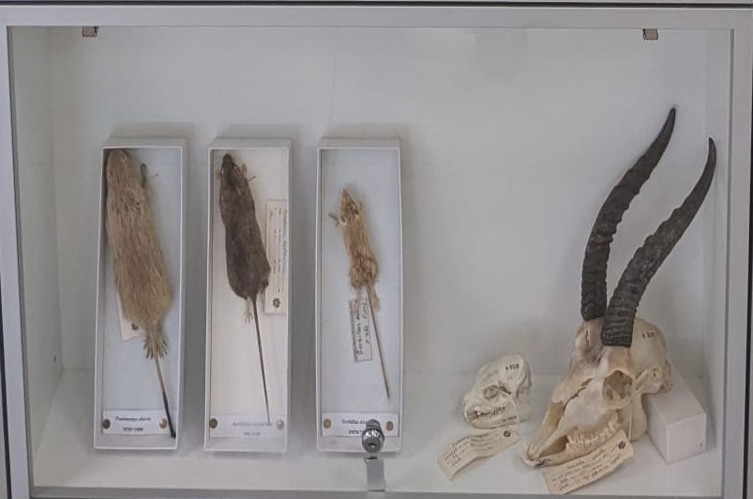
מימין לשמאל (From left to right)
גולגולת צבי ארץ-ישראלי
הצבי הארץ-ישראלי הוא סמל מקומי מובהק ומופת של "הנדסה" אבולוציונית. בזכות התאמה מושלמת לתוואי השטח המגוון של ישראל, הצבאים מסוגלים להגיע למהירות של 80 קמ"ש. הישרדותם מבוססת על שילוב בין ערנות שיא, שיתוף פעולה חברתי ומבנה שלד ייחודי המיועד לתנועה מתפרצת.
- מבט מקרוב: כדאי לשים לב ל"פסי הדמעות" הכהים הנמתחים מהעיניים לכיוון הפה. אלו אינם רק סימני יופי – הם עוזרים לטשטש את תווי הפנים של הצבי ומספקים הסוואה חיונית בזמן רעייה בין השיחים, באור וצל משתנים.
- שווה לדעת: הצבאים הולכים למעשה על "קצות האצבעות". מה שנראה לנו כמו פרסה הוא למעשה זוג ציפורניים שהתעבו מאוד. העמידה הזו פועלת כקפיץ עוצמתי: היא מצמצמת את המגע עם הקרקע ומאפשרת לצבי לבצע את הדילוגים הגבוהים והמפורסמים שלו – הדלגנות.
Gazella gazella
The Mountain Gazelle is a true local icon and a masterpiece of evolutionary engineering. Perfectly adapted to the rugged terrain of Israel, these gazelles can reach speeds of up to 80 km/h. Their survival depends on a combination of extreme alertness, social cooperation, and a specialized skeletal structure built for explosive movement.
- Look closer: Observe the dark "tear stripes" running from the eyes to the mouth. These aren't just for show – they help break up the outline of the face, providing essential camouflage when the gazelle is grazing in the dappled light and shadows of shrubs.
- Worth knowing: Gazelles essentially walk on their "fingertips." What we call a hoof is actually a pair of thickened toenails. This high-impact "tip-toe" stance acts like a spring, reducing contact with the ground and providing the elastic energy needed for their famous high-bouncing jumps, known as stotting.
גולגולת שפן סלעים
שפן הסלעים הוא הוכחה לכך שמראה חיצוני עלול להטעות. למרות הדמיון החיצוני למכרסם גדול, המטפס המיומן הזה הוא למעשה אחד מקרובי המשפחה החיים הקרובים ביותר של הפיל! השפנים מרגישים בבית בין סלעים ומצוקים, חיים בקבוצות חברתיות מורכבות, ונוהגים להתחרדן בשמש כדי לווסת את טמפרטורת הגוף שלהם.
- מבט מקרוב: כדאי להביט בכפות הרגליים. הן מצוידות בפרסות ייחודיות שנשארות לחות תמיד, מה שיוצר אפקט של "ואקום" (כמו כוסות רוח). מבנה זה מאפשר לשפן לטפס על מצוקים זקופים באחיזה מדהימה.
- שווה לדעת: כדאי לשים לב לשתי השיניים המחודדות הפונות כלפי מטה. אלו הן שיניים חותכות ייחודיות שגדלות לאורך כל חיי השפן. בדומה לחטי הפיל, שגם הם למעשה שיניים חותכות, הן משמשות להגנה ולא לאכילה – עדות חיה לקשר בין היונק הקטן לקרובי משפחתו הענקיים.
Procavia capensis
The Rock Hyrax is proof that appearances can be deceiving. While it may look like a large rodent, this agile climber is actually one of the closest living relatives of the elephant! Perfectly at home in rocky terrain, they live in complex social groups and are often seen basking in the sun to regulate their body temperature.
- Look closer: Check out the bottom of the feet. They are equipped with specialized, rubbery pads that stay moist. This creates a suction-cup effect, allowing the hyrax to scale sheer rock faces with incredible grip.
- Worth knowing: Look for the two pointed, downward-projecting teeth. These specialized incisors grow throughout the hyrax's life, functioning like an elephant's tusks for defense rather than eating – a key link between this small mammal and its giant cousins.
יערון
היערון הוא אמן ההישרדות של החורש הים-תיכוני. בניגוד לעכבר הבית, המטפס המיומן הזה מותאם באופן מושלם לחיים בין סלעים ועצי אלון. בעזרת אוזניים גדולות ורגליים אחוריות חזקות, היערונים מנווטים בלילה במהירות ובדיוק מרשימים.
- מבט מקרוב: כדאי לשים לב לשפם הארוך במיוחד ולעיניים הגדולות והכהות. אלו הם כלים חיוניים לניהול אורח חיים לילי, המאפשרים ליערון לזהות תנועה ולנווט בתוואי שטח מורכב בחשיכה כמעט מוחלטת.
- שווה לדעת: שימו לב לאורך הזנב – לעיתים קרובות הוא ארוך יותר מהגוף עצמו! הזנב משמש כ"מוט שיווי משקל" מדויק, המאפשר ליערון לבצע זינוקים אקרובטיים בין סלעים וענפים מבלי לאבד את היציבות.
Apodemus mystacinus
The Broad-toothed Field Mouse is a master of the Mediterranean scrubland. Unlike common house mice, this agile climber is perfectly adapted to life among rocks and oak trees. With oversized ears and powerful hind legs, it navigates the night with remarkable speed and precision.
- Look closer: Notice the exceptionally long whiskers and large, dark eyes. These are essential tools for a nocturnal lifestyle, allowing the mouse to detect movement and navigate complex terrain in near-total darkness.
- Worth knowing: Observe the length of the tail – it is often longer than the body itself! It acts as a high-precision balancing pole, enabling the mouse to perform acrobatic leaps between rocks and branches without losing its footing.
פסמון
הפסמון הוא מומחה למדבר המשגשג בזכות תזונה שרוב היונקים לא היו שורדים. בעוד שמכרסמים אחרים מחפשים זרעים, הפסמון ניזון כמעט רק מצמחייה בשרנית ומלוחה. כדי להתמודד עם כמויות המלח הללו, הוא מצויד בכליות יעילות במיוחד המעבדות ריכוזי מלח הגבוהים פי כמה מאלו שבמי ים.
- מבט מקרוב: כדאי לשים לב לגוף הדחוס ולאוזניים הקצרות. אלו הן התאמות חיוניות לצמצום איבוד נוזלים ולוויסות חום הגוף במהלך היום במדבר.
- שווה לדעת: כ"מתמחה תזונתי", המטבוליזם של הפסמון אינו מותאם לסוכרים מרוכזים. הפיזיולוגיה הייחודית הזו הופכת אותו למודל חשוב במחקר רפואי להבנת מחלות מטבוליות כמו סוכרת.
Psammomys obesus
The Fat-sand Rat is a desert specialist that thrives on a diet most mammals find toxic. While others seek seeds, this rodent feeds almost exclusively on succulent, salty plants. To survive this extreme salt intake, it possesses highly efficient kidneys capable of processing salt concentrations several times higher than seawater.
- Look closer: Notice the compact body and short ears. These are essential adaptations for minimizing water loss and regulating heat during the desert day.
- Worth knowing: As a "dietary specialist," the Fat-sand Rat cannot process concentrated sugars. This unique physiology makes it a vital model in medical research for studying metabolic conditions like diabetes.
מוצגים תת-ימיים (Underwater Exhibits)
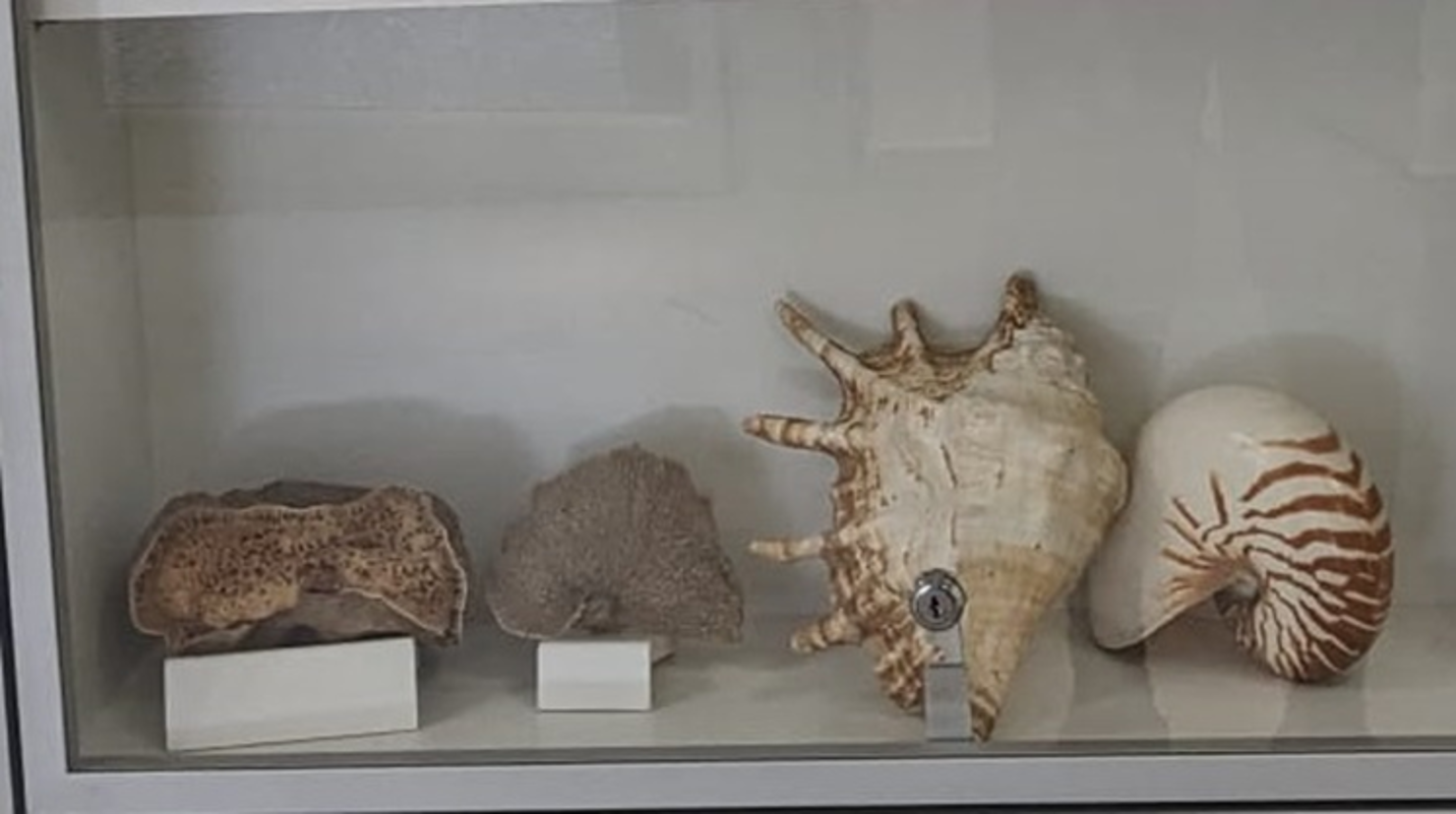
מימין לשמאל (From left to right)
נאוטילוס
הנאוטילוס הוא "מאובן חי" שנותר כמעט ללא שינוי במשך מיליוני שנים. זהו יצור ייחודי ממשפחת הסילוניות (קרובי משפחה של התמנון והדיונון) החי בתוך קונכייה ספירלית. הוא מנווט במעמקי האוקיינוס בעזרת מערכת הנעה סילונית, המאפשרת לו לנוע באלגנטיות במים בחיפוש אחר מזון.
- מבט מקרוב: כדאי לבחון את התאים הגיאומטריים המדויקים בתוך הקונכייה. ככל שהנאוטילוס גדל, הוא עובר לתא חדש וגדול יותר ואוטם את התאים הישנים. החדרים האטומים הללו אינם ריקים – הם מלאים בגז ובנוזל המשמשים לבקרת המיקום שלו במים.
- שווה לדעת: כצוללת ביולוגית, הנאוטילוס משתמש בצינור פנימי (סיפונקול) כדי לווסת את יכולת הציפה שלו. באמצעות שינוי יחס הגז והנוזל בתאי הקונכייה, הוא צולל או צף בדיוק חסר מאמץ – ובכך מהווה "אב-טיפוס" טבעי שהעניק השראה לתכנון הצוללת המודרנית.
Nautilus
The Nautilus is a "living fossil" that has remained virtually unchanged for millions of years. This unique cephalopod lives inside a spiral shell, unlike its cousins, the octopus and squid. It navigates the deep ocean using a sophisticated jet-propulsion system, moving gracefully through the water column in search of food.
- Look closer: Observe the perfectly geometric chambers inside the shell. As the Nautilus grows, it moves into a new, larger chamber and seals off the old ones. These sealed rooms aren't empty – they are filled with gas and fluid to control its position in the water.
- Worth knowing: As a biological submarine, the Nautilus uses a specialized tube called a siphuncle to regulate buoyancy. By adjusting the gas-to-liquid ratio within its chambers, it dives or surfaces with effortless precision – serving as the natural blueprint for modern submarine design.
שבען
השבען הוא חילזון ימי כבד המוכר בזכות קונכייתו המסיבית והבליטות דמויות האצבעות שלו. בניגוד לרוב החלזונות המחליקים על שובל ריר, מין זה נע בסדרה של "דילוגים" נמרצים; הוא משתמש במכסה הקונכייה החרמשי שלו כגרזן קרח כדי למנף את עצמו על קרקעית הים החולית.
- מבט מקרוב: בחזית הקונכייה ניתן להבחין בשקע קטן בצורת U. זוהי "מגרעת הסטרומבוס" – פתח תצפית ייחודי המאפשר לחילזון להציץ החוצה עם עינו הימנית כדי לסרוק את הסביבה אחר טורפים, בעודו נותר מוגן בתוך שריונו הכבד.
- שווה לדעת: ה"אצבעות" בקצה הקונכייה משמשות כמייצבים, המונעים מהמבנה הכבד להתהפך בזרמים חזקים. מערכת ה"חצובה" הטבעית הזו מאפשרת לחילזון להישאר נייד ויציב למרות משקלו הרב.
Lambis truncata
The Giant Spider Conch is a heavy-bodied marine snail known for its massive shell and finger-like projections. Unlike most snails that glide smoothly on a trail of slime, this species moves in a series of energetic hops, using its sickle-shaped operculum (foot-lid) like a mountain climber’s ice axe to lever itself across the sandy sea floor.
- Look closer: Near the front of the shell, you’ll find a small U-shaped indentation called the "stromboid notch." This serves as a specialized viewing port, allowing the conch to peek out with its right eye to scan for predators while remaining safely tucked inside its heavy armor.
- Worth knowing: The shell's "fingers" act as stabilizers, preventing the heavy structure from toppling in strong currents. This natural tripod system allows the snail to remain mobile and upright despite its immense weight.
ספוג מניפה
ספוג המניפה הוא מופת של אלגנטיות מבנית בשונית. למרות מראהו, המזכיר שושנה פורחת או עלי כרוב, מדובר בבעל חיים מורכב הניזון מסינון מים. צורת ה"מניפה" הייחודית שלו היא פלא הנדסי הממקסם את שטח הפנים של הגוף, מה שמאפשר לו ללכוד מזון וחומרי הזנה מהזרמים ביעילות מרבית.
- מבט מקרוב: על פני ה"מניפה" ניתן להבחין באלפי נקבוביות זעירות (אוסטיות). הספוג משתמש ב"שוטונים" מיקרוסקופיים כדי לשאוב כמויות אדירות של מים דרך החורים הללו; הוא מסנן מהם חיידקים למאכל ופולט החוצה מים נקיים.
- שווה לדעת: הספוג הזה מתפקד גם כלוח סולארי ביולוגי. עליו הרחבים קולטים אור שמש עבור אצות שחיות בתוך הרקמות שלו בסימביוזה – שותפות המעניקה לספוג תוספת אנרגיה המופקת ישירות מהשמש.
Carteriospongia foliascens
The Leafy Foliose Sponge is a master of structural elegance in the coral reef. While it resembles a blooming rose or a cluster of cabbage leaves, it is actually a sophisticated filter-feeding animal. Its "leafy" shape is a feat of natural engineering, maximizing surface area to capture food and nutrients from passing currents with extreme efficiency.
- Look closer: Examine the surface to see thousands of tiny pores called ostia. The sponge uses flagella "hairs" to pump gallons of water through these holes daily, straining out bacteria for food before "exhaling" the filtered water.
- Worth knowing: This sponge also acts as a biological solar panel. Its thin, expansive leaves capture sunlight for symbiotic algae living inside its tissues, providing the sponge with an extra energy boost fueled directly by the sun.
גאודיה
הגאודיה, המכונה לעיתים "ספוג אבן", היא מומחית להגנה. בניגוד לספוגי השונית העדינים, היא צומחת כמבנה דחוס וקשיח דמוי סלע. הגאודיה מצוידת ב"שריון" עבה של מחטי צורן (סיליקה) ההופכים אותה לקשוחה במיוחד ובלתי אכילה עבור רוב הטורפים.
- מבט מקרוב: כדאי לשים לב לשקעים המכתשיים שעל פני השטח. אלו הן "ארובות" פליטה (אוסקולה). הספוג שואב מים דרך אלפי נקבוביות זעירות ופולט אותם בחוזקה דרך הפתחים הגדולים, מה שמבטיח שאינו מסנן שוב את אותם המים שכבר נוקו ממזון.
- שווה לדעת: בתוך ה"אבן החיה" מסתתר מבצר מזכוכית. הגאודיה מייצרת אינספור מחטי שלד זעירות (ספיקולות) העשויות מצורן. אלו לא רק מעניקות תמיכה מבנית, אלא משמשות כמעין "תיל דוקרני" פנימי שהופך את הספוג לבלתי ניתן לעיכול עבור דגים או צבי ים.
Geodia
Commonly known as the Stone Sponge, Geodia is a master of defense. Unlike delicate reef sponges, it grows into a dense, rock-like mound protected by a thick armor of silica needles, making it incredibly tough and unappetizing to most predators.
- Look closer: Notice the crater-like depressions on the surface. These are "exhaust chimneys" called oscula. The sponge draws water in through thousands of microscopic pores and forcefully expels it through these few large openings, ensuring it only processes fresh, nutrient-rich water.
- Worth knowing: Inside this "living stone" hides a microscopic glass fortress. Geodia produces countless silica spicules – tiny glass-like needles. These provide structural support and act as internal "barbed wire," making the sponge nearly impossible for fish or turtles to digest.